We are excited to announce that Brink is now part of Africa Practice. Learn more
Reconciling Ethiopia’s Reform Agenda with a Fragile Vote
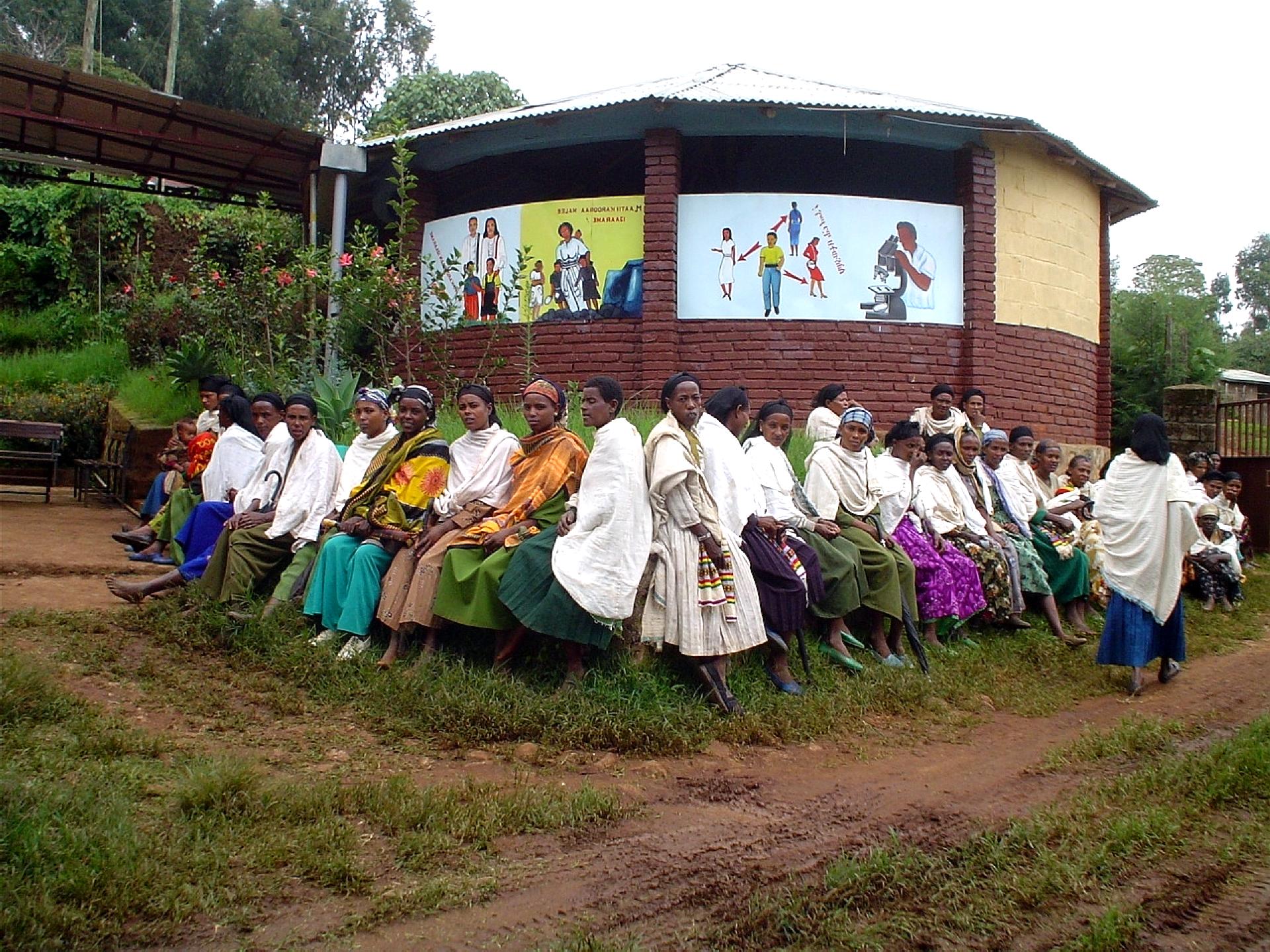
As global investors descend on Addis Ababa for the Invest in Ethiopia forum this week, the federal government will look to double down on its liberalisation rhetoric. Its vision of a “New Ethiopia” is bold and ambitious, reflecting the genuine market potential that continues to draw international interest. However, it also underscores the persistent gap between high-level economic opportunity and the country’s social and political fragmentation. While investors in the capital hum with talk of the Homegrown Economic Reform Agenda, the upcoming June 2026 general election looms as a definitive reality check on whether these economic ambitions can survive the country’s deepening internal fractures.
Demographic and economic pressures
The stakes of this transition are rooted in the country’s demographic reality. Although data remains weak since the last official census was conducted in 2007, Ethiopia is a youthful nation, with an estimated median age of 19 and more than 70% of the population under the age of 30. Approximately two million people enter the workforce annually. For this generation, the government’s economic reforms represent a fundamental means of achieving self-determination and escaping the cycle of poverty.
Against this backdrop, the forum targets USD 2.4 billion in investment, up 50% from the USD 1.6 billion secured in 2025, to drive large-scale job creation and forex generation. Since the 2022 Pretoria Agreement that ended the war in the north, Ethiopia has re-emerged as Africa’s second-largest FDI destination, attracting USD 15.2 billion in the fiscal years between 2021 and 2024. This has been driven by an expansion of traditional sectors such as agriculture and mining, and non-traditional sectors such as business process outsourcing and bitcoin mining.
However, this growth strategy faces immediate headwinds. While the 2024 currency float was a prerequisite for securing USD 3.4 billion in IMF financing, its implementation has exposed a significant gap between macroeconomic indicators and lived experiences. Official inflation figures have exhibited a downward trend since 2024, but the cost of living has soared, necessitating a USD 4.8 billion supplementary budget to subsidise fuel, fertiliser, edible oil and essential medicines. Currency depreciation has eroded purchasing power, leaving many unable to afford basic necessities such as food and rent. At the same time, forex liquidity remains constrained.
The government has signalled a gradual opening of the banking sector to foreign participation, but progress remains delayed. KCB Group, one of the earliest movers to express interest, has indicated that a full market entry is unlikely before the end of 2026. Domestic credit markets remain shallow in the meantime, with private sector lending often crowded out by government financing needs. This has limited the scale and speed at which new investments have been deployed and expanded.
Labour market pressures further compound these risks. National unemployment figures appear manageable on paper (11.8% in 2021) but the urban reality is far grimmer. Urban youth unemployment (ages 15-29) sits above 23%, with Addis Ababa (26.2%) and Dire Dawa (22.4%) topping the list. Female youth face much higher unemployment rates nationally (over 29%), compared to male youth (over 11%).
This has created a significant pool of disenfranchised talent that has turned to migration to improve its job prospects. In 2024, Ethiopians accounted for 97% of 430,200 migrants traversing the dangerous Eastern Route to the Arabian Peninsula. The forum represents a continued effort to stymie this migration influx and prevent economic frustration from boiling over into political unrest. Critically, this same demographic fueled the 2015-2018 protests that eventually brought Prime Minister Abiy Ahmed to power. If the Homegrown Agenda fails to deliver tangible livelihoods beyond the capital, the very demographic dividend the government touts in its investment narrative could become its greatest liability.
Logistical constraints and regional instability
Ethiopia’s liberalisation drive is further complicated by its landlocked nature, a structural constraint that redirects over 95% of trade through the Port of Djibouti at an annual cost of USD 2 billion. This represents nearly one-quarter of the country’s 2024/25 export revenue of USD 8.3 billion. While the government frames its quest for Red Sea access as an essential economic pivot, it has come at the expense of diplomatic relations with neighbouring countries such as Somalia and Eritrea, who fear a breach of their territorial integrity. Renewed instability in the Horn of Africa is likely to trigger a withdrawal of foreign capital and a hollowing out of investor confidence.
This logistical hurdle is further exacerbated by the jarring contrast between the stability of the capital and the insecurity of the hinterlands. While the federal government remains committed to nationwide transformation, periodic disruptions to trade corridors in the Amhara and Oromia regions underscore a geographic variation in state authority. These localised tensions reveal that the government’s ability to project a predictable economic order is most consistently felt within Addis Ababa’s perimeter.
For investors, this risks entrenching a dual reality: one where market-led reforms are successfully piloted in urban hubs, but face a more complex and uneven application across the wider country. This threatens to erode Ethiopia’s competitive edge despite the clear opportunities. The core risk is not that the reform agenda lacks ambition, but that it risks outpacing the state’s ability to distribute its gains equitably.

Proud to be BCorp. We are part of the global movement for an inclusive, equitable, and regenerative economic system. Learn more