We are excited to announce that Brink is now part of Africa Practice. Learn more
First time voters could determine South Africa’s elections
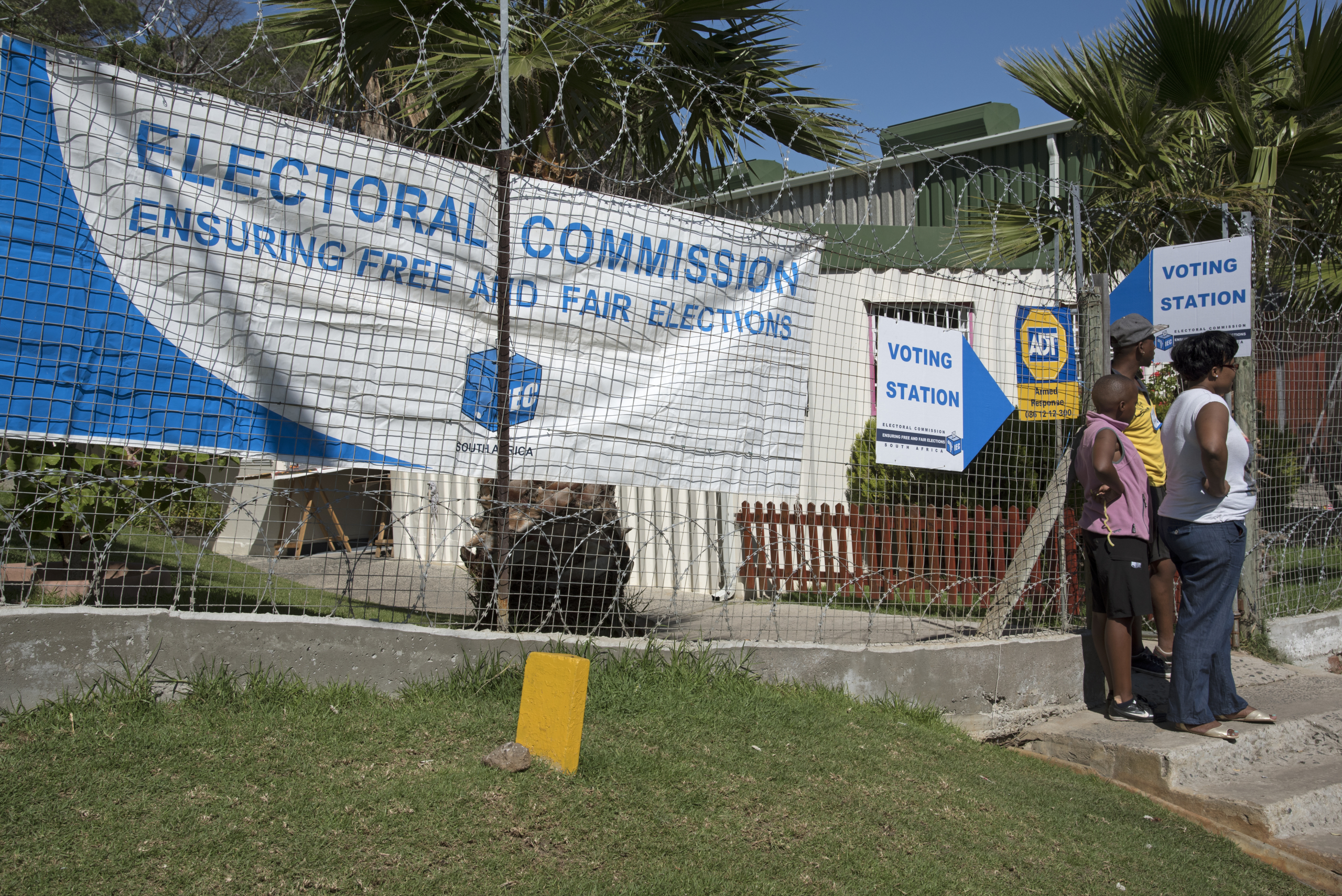
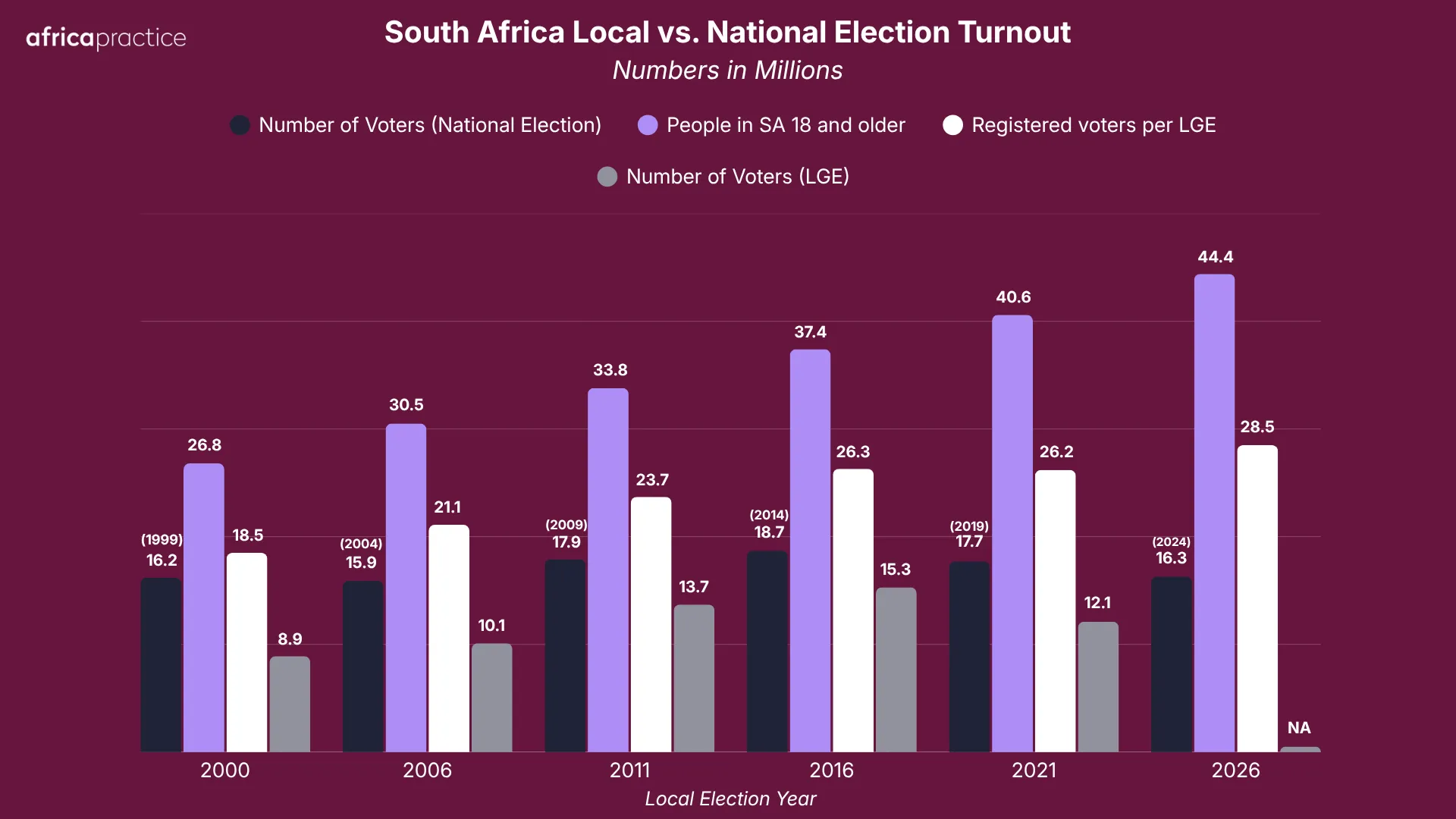
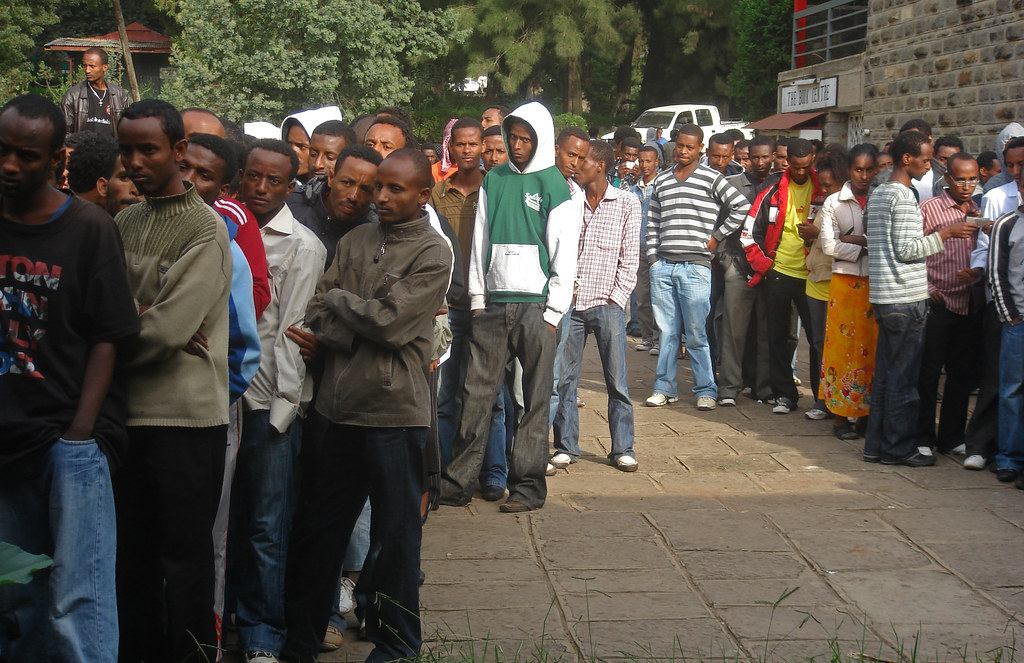
South African citizens turned out in large numbers to register for the upcoming local government elections over the weekend of 20 and 21 June. Sy Mamabolo, the CEO of the Independent Electoral Commission (IEC) confirmed that the voters’ roll now includes 28.5 million people – boosted by 2.3 million new voter registrations in just one weekend. This expanded voter pool is now greater than the total number of voters who were registered in the watershed 2024 national elections – when the roll stood at 27.7 million voters. Today, 64% of all eligible voters aged 18 years and older (44.4 million people) are registered to vote on 4 November.
Remarkably, more than a fifth of the new entries on the roll from the weekend (477,174) are first time voters. The IEC has already announced a second voter registration drive weekend on 1-2 August, meaning that the number of eligible and registered voters could meaningfully increase again before the voters’ roll closes later in the year.
The reasons for this uptick in voter registration activity are varied. The country’s election rules are very precise about where voters can and must register in order to participate in choosing their new local representatives, and the mechanism for doing so can be quite complex.
Voters mark their ballots to choose party representatives as ward councillors in their neighbourhood, but a proportional representation system in some districts also means that votes are pooled for party members who will represent voters in local municipal and city councils. All in all, voters must keep their details on the voters’ roll up to date, or risk being excluded from the local polls.
However, another kind of motivation has come to the fore in recent years: deep dissatisfaction with the state of local public services and frustration at churn of coalition politics across the country.
Coalition chaos is here to stay
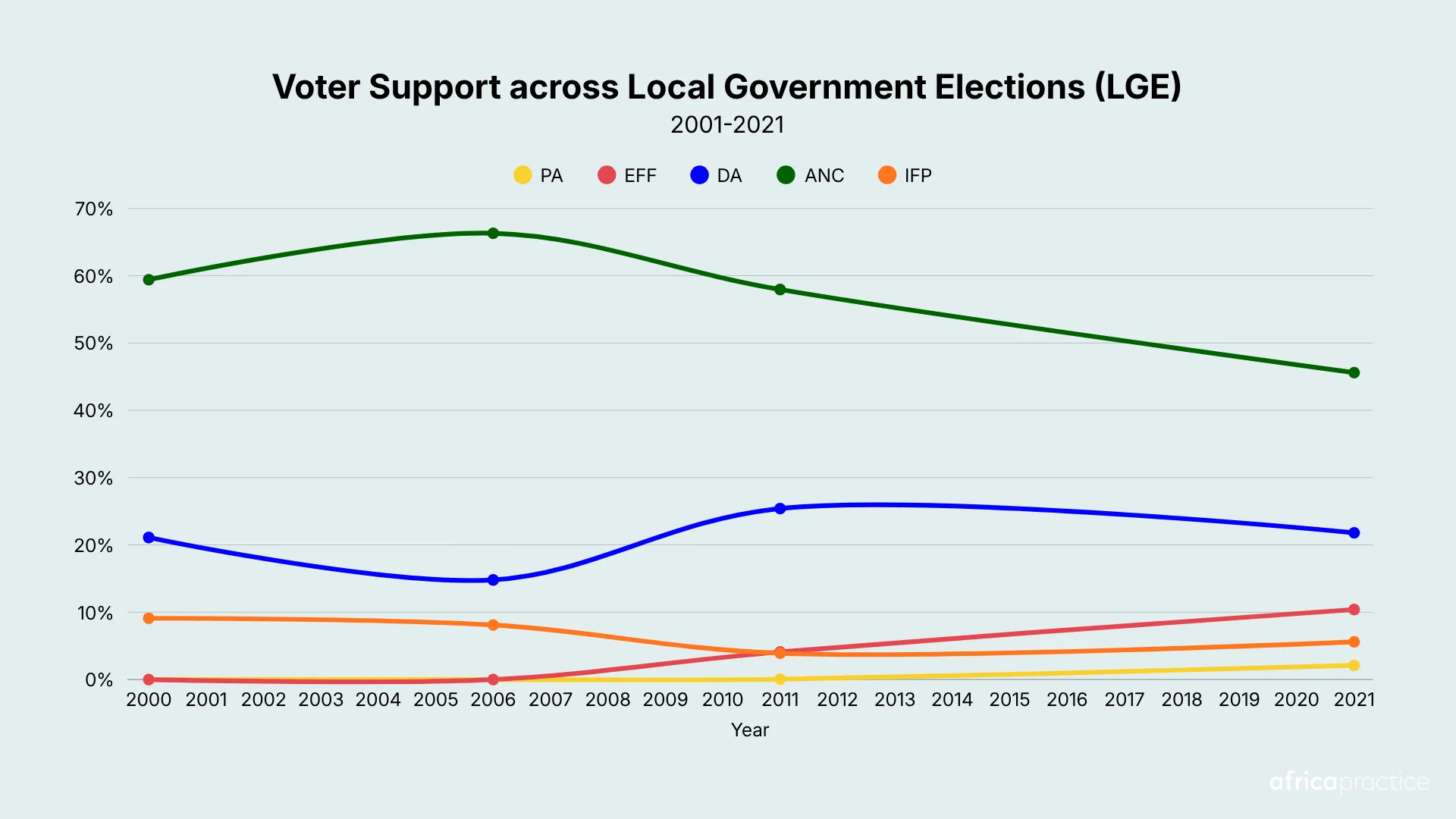
The number of ‘hung councils’ across the country increased nearly four-fold between 2016 and 2021, according to research by the think tank the Mapungubwe Institute for Strategic Reflection (MISTRA). The number of councils under no majority control increased from 27 to up to 80 as voters’ loyalties to political parties have increasingly fractured, and they experiment with voting for new and diverse political leaders.
Historically, three major parties across the South African landscape have dominated national and local politics, but this has shifted dramatically in the last decade. As suggested by the now high level of hung councils and coalitions across the country, the paradigm shift in local government from 2016 has not had particularly positive results. This runs contrary to the new but relatively stable national coalition government (known locally as the Government of National Unity) and provincial government coalitions in the Northern Cape, KwaZulu-Natal and Gauteng since June 2024.
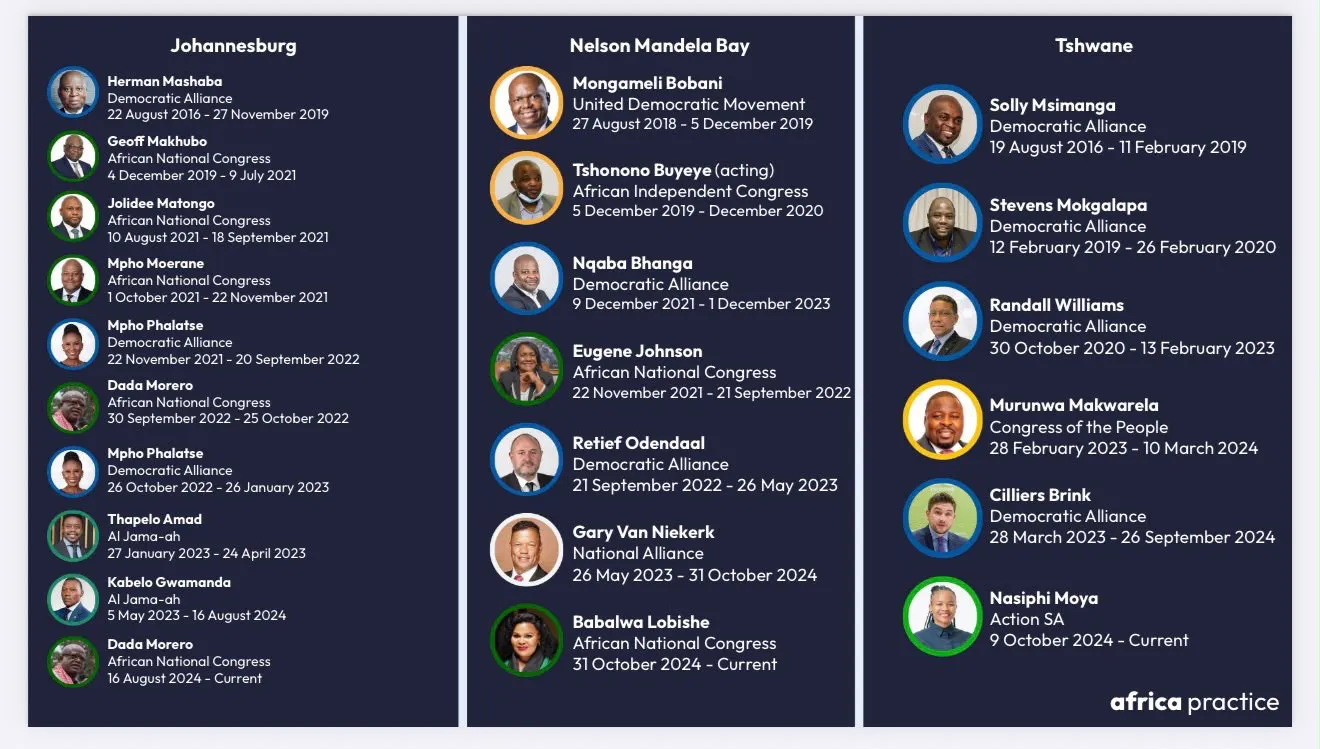
Coalition agreements in towns and cities have become shotgun marriages of convenience and have come together and fallen apart at the drop of a hat. The city of Johannesburg has had ten mayors in ten years, bringing an unprecedented level of chaos in policy-making and financial governance in Africa’s richest city. The cities of Nelson Mandela Bay (NMB) and the capital Tshwane have hardly fared any better with 7 and 6 mayors respectively in the last decade. These failures have profound implications: Johannesburg alone is home to 6 million people and contributes 16% of GDP; NMB is the economic and business epicenter of the Eastern Cape where over 7 million people live; and Tshwane is the seat of government and where over 4 million people live.
All ten of the parties in the national government coalition and a burgeoning number of opposition parties have already begun their election campaigns to lead these cities and others, setting the stage for a bitter fight for voters’ support in November.
Apathy to action
The upcoming election is set to be significantly shaped by South Africa’s youth. Initial data from the IEC indicates that young people aged 16 to 29 accounted for 80% of the 477,174 newly registered voters. A profound lack of trust in government remains the primary driver behind youth apathy and low participation in elections, but the surge of new voter registrations may signal a hopeful shift. Those aged 18-20 recorded the lowest turnout of any age group in past elections, while fewer than 20% of citizens aged 18-35 registered for the 2021 local government elections, according to research by the Konrad Adenauer Stiftung. Harsh economic conditions have further driven this disillusionment. While the national unemployment rate hit 32.7% in early 2026, the youth demographic is disproportionately affected. Statistics South Africa reports a 60.9% unemployment rate for those aged 15-24, and 40.6% for the 25-34 age group.
As we have previously argued, governments that do not listen to their people – especially those who are young and frustrated – risk losing the people on their way to losing power in the long-run.
Sensing these shifts, and the growing disillusionment with the status quo, South African politicians are shifting their engagement strategies. Johannesburg mayoral candidate for the Democratic Alliance (DA), Helen Zille, and aspiring candidate for office in Cape Town, Liam Jacobs, have aggressively tailored their digital campaigns to bypass traditional political machinery and speak directly to a younger audience.
By building significant online followings and utilising platforms favoured by young people, political candidates are attempting to bridge the trust gap and capture the attention of a demographic that feels increasingly alienated by the conventional political landscape. This revived focus on digital outreach is not merely a tactical choice but a necessary adaptation to a voter base that, while weary of traditional politics, remains a critical force for the future of governance in South Africa. Whether this pivot towards social media will translate into an upswing in youth turnout will only become clear come polling in November.
Proud to be BCorp. We are part of the global movement for an inclusive, equitable, and regenerative economic system. Learn more