We are excited to announce that Brink is now part of Africa Practice. Learn more
Artisanal and small-scale mining: From discussions to actions
The urgency of the moment
Artisanal and Small-Scale Mining (ASM) now produces around 20% of the world’s gold — five times more than in the 1990s — and an even higher share of precious stones and certain critical minerals. What was once treated as peripheral has become structurally embedded in global supply chains. Yet governance systems, financial tools and industry engagement models have not kept pace.
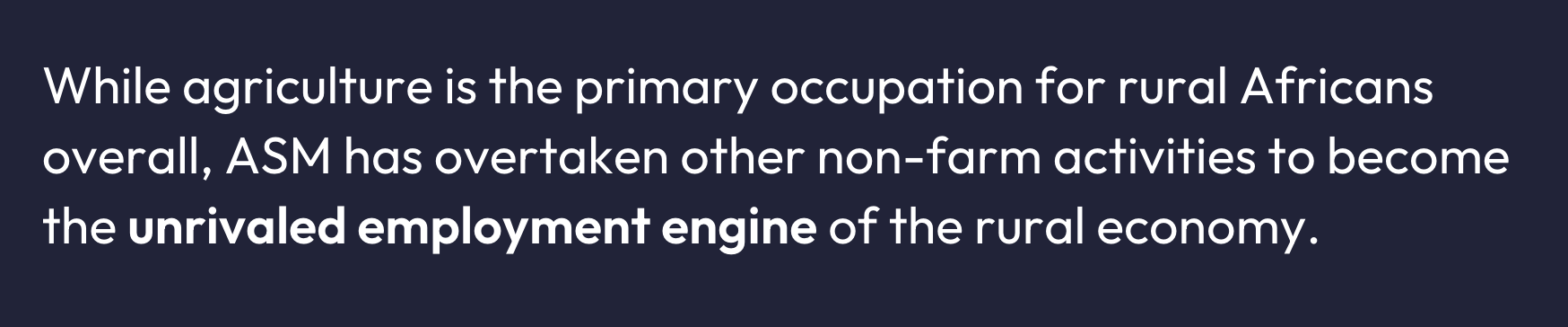
Gold prices at historic highs are accelerating the pressure. Ever more people are entering informal mining. Production is rising, but so too are environmental damage, unsafe practices and exposure to criminal or predatory intermediaries. In many countries, ASM is both a livelihood of last resort and a primary rural employer. Attempts to contain it through licensing or enforcement alone have not delivered stability.
The colliding pressures
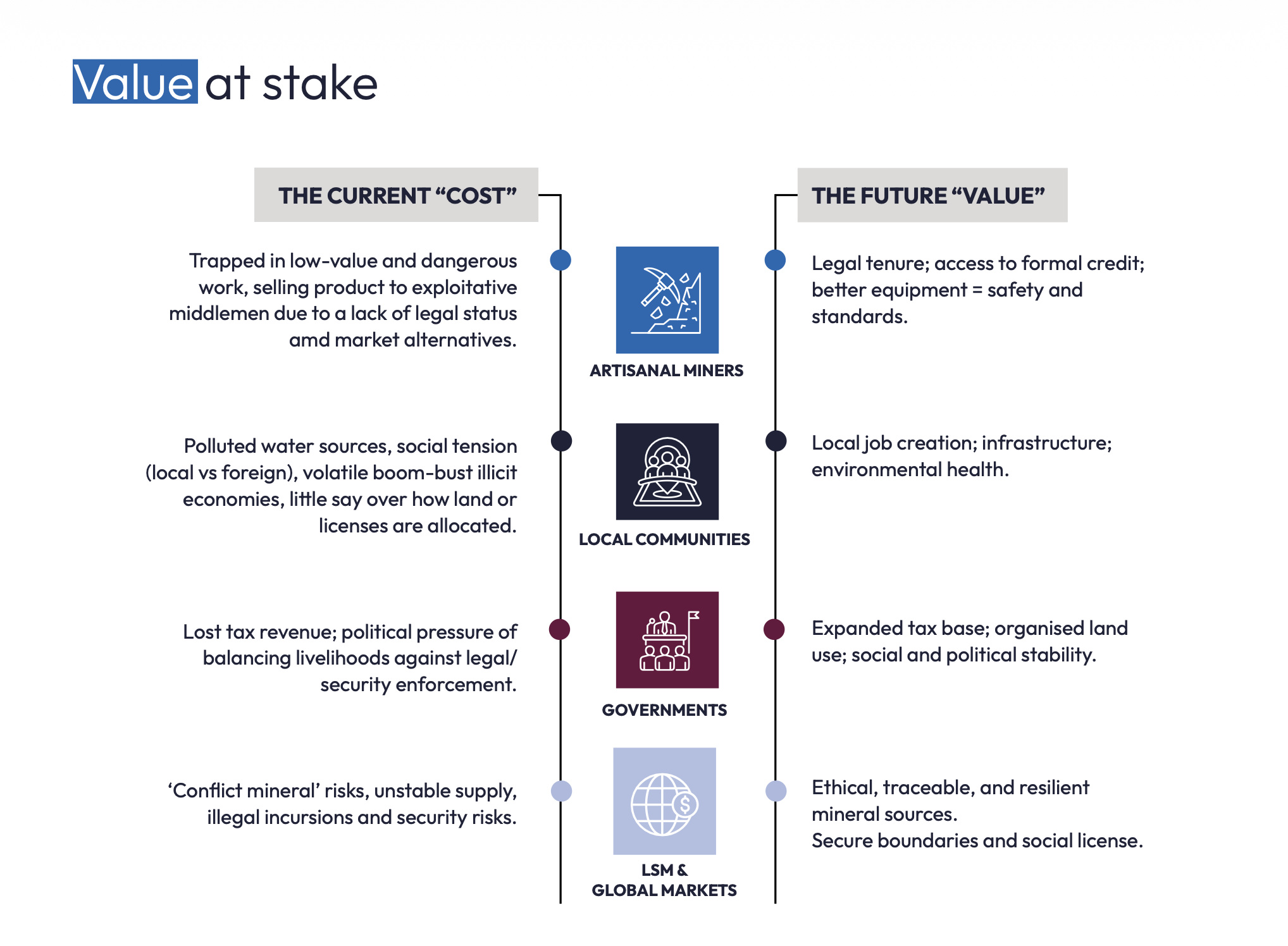
The tensions are felt across the system. For miners, high prices offer income, but reinforce dependence on middlemen, and require continued exposure to a dangerous work environment. For nearby communities, the impact can be polluted water and land degradation. For large-scale mining companies, it means incursions and growing security risks. For refiners and buyers, it raises scrutiny over provenance and compliance. For governments, it is the daily balancing act between protecting rural livelihoods and containing environmental damage and land disputes.
These pressures are now colliding. High prices are fuelling a rush into informal mining just as ESG rules, due-diligence standards and community expectations are hardening. The result is an unstable stand-off: artisanal miners locked into illegality, companies facing rising operational and reputational risk, and governments struggling to govern a sector that has outgrown the systems built to manage it.
ASM is now a systemic issue. Managing it at the margins is no longer viable.
- Formalisation efforts have focused too heavily on permits. Governments have issued licences, often in significant numbers, but without providing access to finance, geological data, equipment, processing facilities or secure markets. A permit alone does not change economic incentives. In many cases, miners obtain licences but continue operating informally because the underlying constraints remain. Formalisation has been legalistic rather than economic.
- Many initiatives have been fragmented. Corporate-supported projects or pilot buying schemes have shown promise, but they often sit outside core supply chains. Without integration into verified trading systems and recognised refining channels, their impact remains localised. Scaling requires alignment between miners, buyers, processors and regulators.
- Enforcement-led responses have repeatedly driven activity further underground. In contexts where the state is absent or mistrusted, crackdowns strengthen informal networks rather than dismantle them. Blanket licensing schemes and top-down regulation have often failed to reflect how ASM actually operates on the ground: as a survival economy shaped by local power structures and immediate cash needs.
Restoring trust
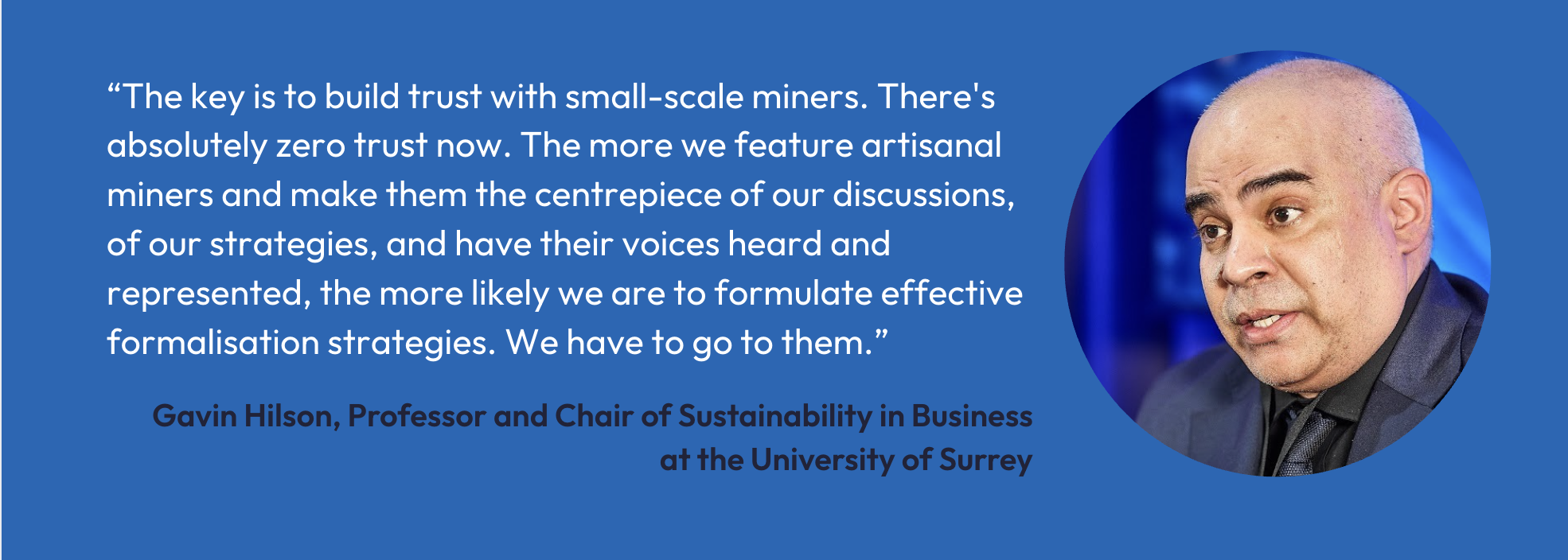
While ASM is local in form, the trust deficit is systemic. Trust between miners and authorities. Trust between communities and large-scale operators. Trust between producers and downstream buyers. Without rebuilding trust, regulatory reform alone will not hold.
The call to action
Incremental adjustments are insufficient. A systemic approach – solving for all stakeholders is required:
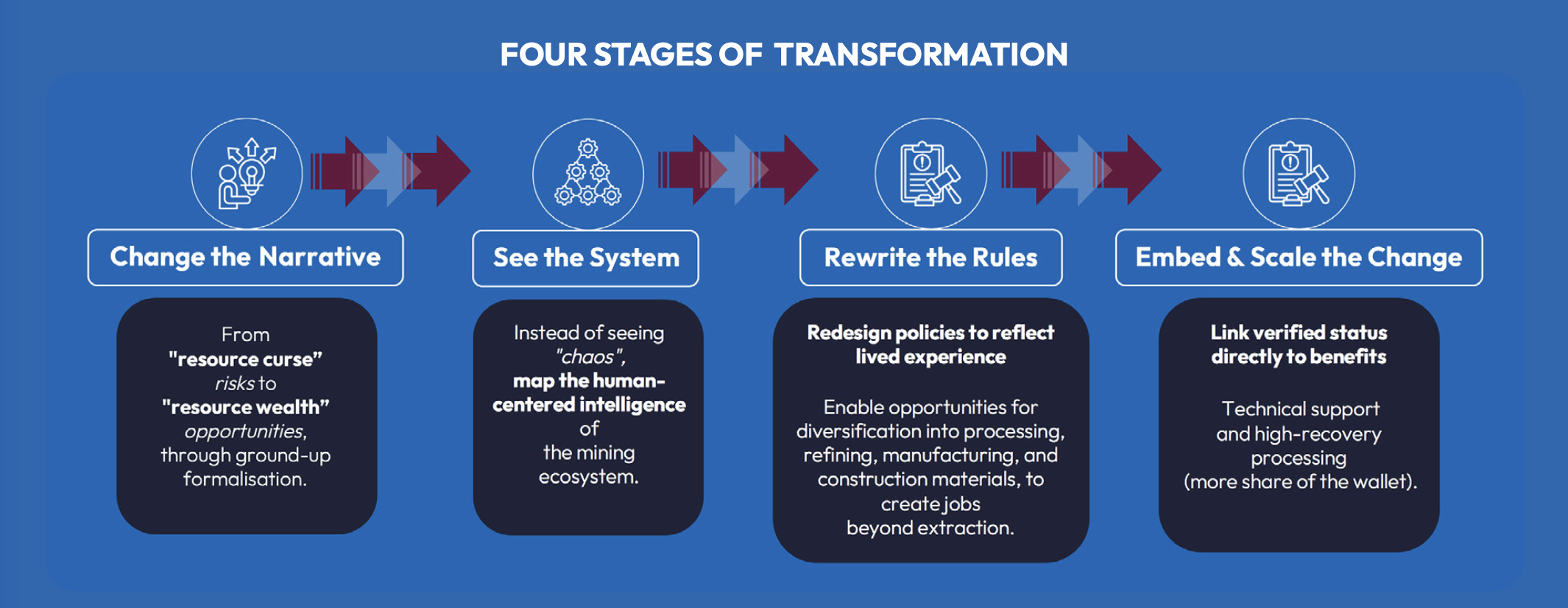
- The narrative must shift. Treating ASM primarily as a compliance or security threat has shaped policy for decades, with limited success. Recognising it as a source of rural employment and national resource wealth creates space for investment, dignity and structured integration.
- The system must be understood as a whole. ASM challenges reflect gaps in rural finance, geological knowledge, infrastructure and market access. Addressing them and the broader ecosystem within which ASM exists, requires linking these components rather than treating mining in isolation.
- Incentives must change. Formal status needs to unlock tangible benefits. Verified miners should gain direct access to competitive pricing, eligibility for financial services, technical support and access to regional processing facilities that increase recovery rates. Without economic advantage, formalisation will remain symbolic.
- Coexistence between ASM and large-scale mining should be planned early. Exploration companies, governments and local authorities need to share geological data and map existing artisanal activity, communicate transparently and design structured pathways before tensions escalate. Early transparency reduces long-term cost and risk.
The situation demands a focused multi-stakeholder coalition
Ministries of Mines and Finance, central banks, large-scale mining companies, refiners, international buyers, development finance institutions and representatives of ASM cooperatives must work within the same framework. The objective is not another high-level declaration but the creation of pilot corridors where verified status, finance, processing and market access are aligned from the outset, and where trust and transparency can be generated to build a better system for all involved.
The approach detailed in this Call to Action was informed by the insights shared during the ‘Big ideas for small-scale mining’ roundtable discussion, held in Cape Town on February 10, 2026 and jointly convened by Africa Practice and CoActis.
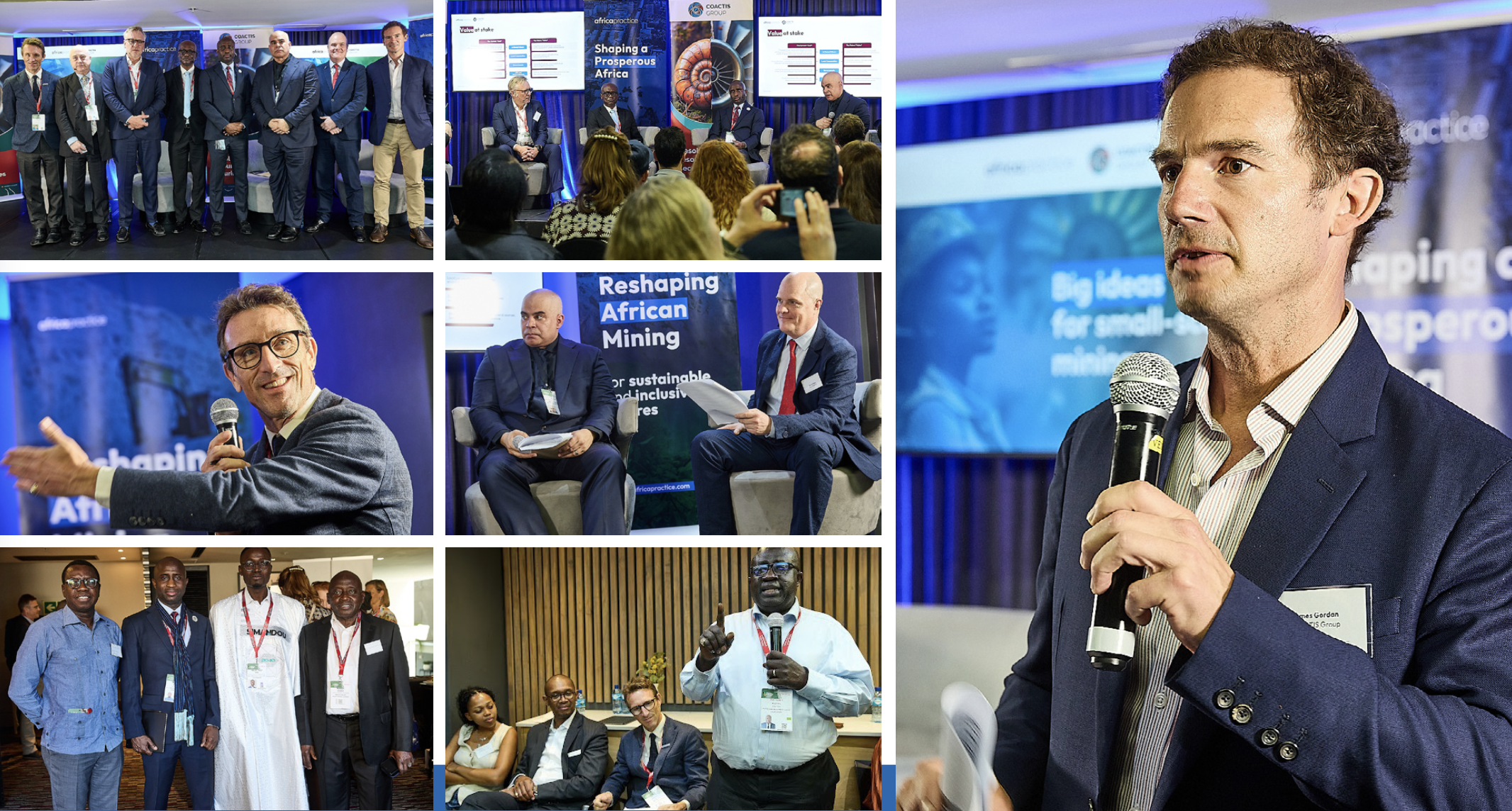
Key contributors to this discussion included:
- Stewart Bailey, SVP of AngloGold Ashanti
- Gavin Hilson, Professor and Chair of Sustainability in Business at the University of Surrey
- Sokwani Chilembo, CEO of the Zambia Chamber of Mines
- Daouda Diakité, Principal Advisor to the Guinean Minister of Mines
- Edward Bickham, Senior Advisor for the World Gold Council
- Daniel Thole, Principal Advisor, Africa Practice
- James Gordon, Principal, CoActis
Proud to be BCorp. We are part of the global movement for an inclusive, equitable, and regenerative economic system. Learn more