We are excited to announce that Brink is now part of Africa Practice. Learn more
A Strategic Opportunity for African Leadership on Methane
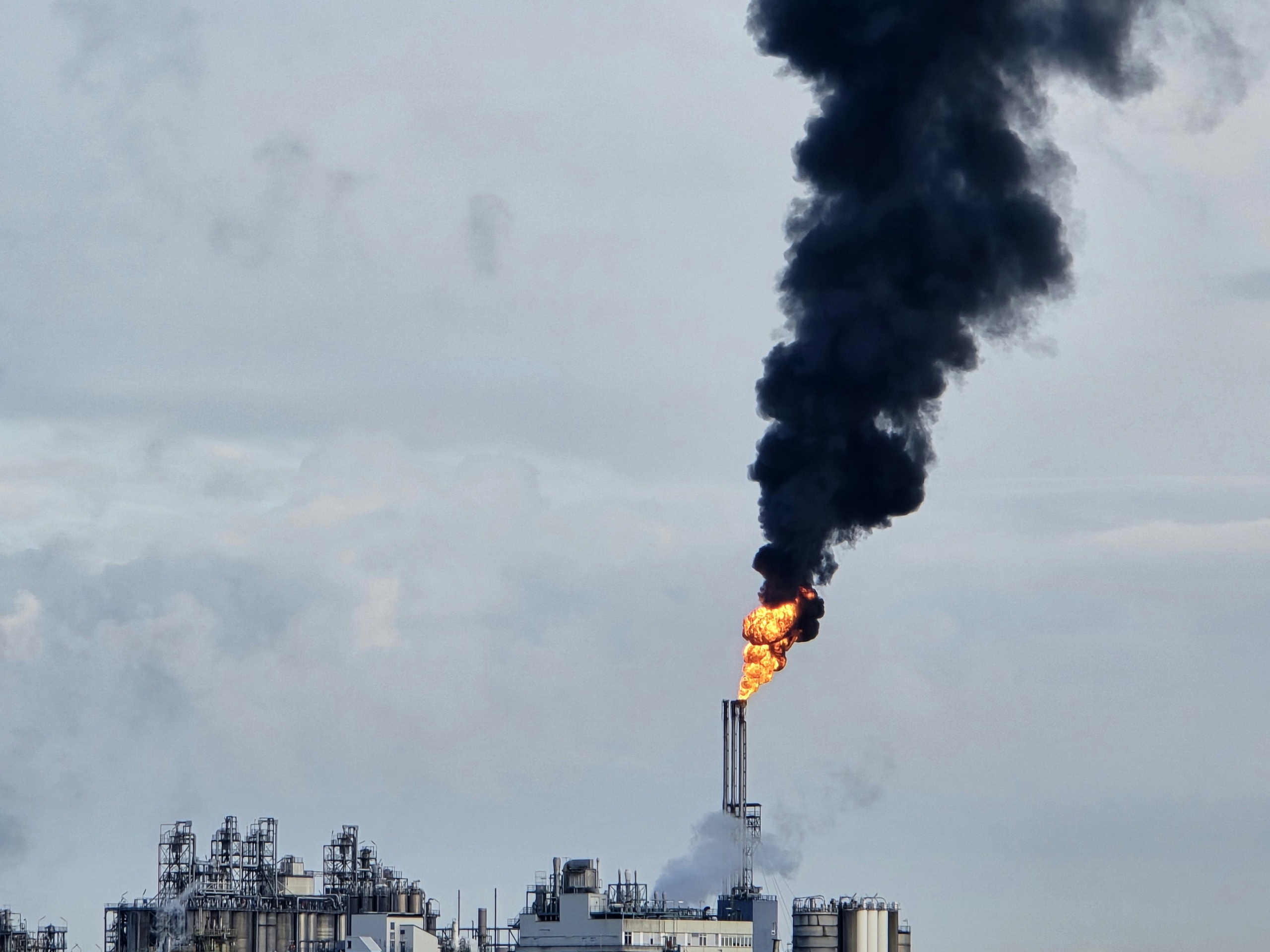
Methane accounts for around 30% of the rise in global temperature since the industrial revolution. Timely action can give us the breathing space we need to avoid dangerous tipping points that irreversibly change our environment.
With global support for climate action evolving, methane abatement is emerging as one of the key areas where we can accelerate global alignment – and Africa has a critical role to play. French President Emmanuel Macron reiterated this at the Paris Peace Forum on 29 October, raising expectations for further action at COP30 in Brazil.
Efficient gas production is key to Africa’s electrification agenda
600 million Africans lack reliable access to electricity, and power plants fuelled with natural gas are set to play an important role in the electrification of the continent, as a “bridging fuel” towards renewable energy sources, and to provide a steady baseload of power to compliment intermittent renewable energy supply.
If African gas production aligns with methane abatement standards such as the UN Environment Programme’s Oil and Gas Methane Partnership (OGMP) 2.0, it can offer a triple win of advancing energy access, tackling climate goals through methane emission reduction, and strengthening public finances through the capture of previously wasted gas. According to 2025 research by the International Energy Agency (IEA), roughly 30% of methane emissions from fossil fuel operations could be avoided with no net cost, based on 2024 energy prices, and that 70% of methane emissions from the fossil fuel sector could be avoided with existing technologies, often at low cost.
An opportunity for African leadership
African National Oil Companies (NOCs) are already demonstrating leadership on methane emissions. For example, Nigeria LNG (NLNG) has achieved the “gold standard” OGMP 2.0 Level 5 for two consecutive years. The Nigerian National Petroleum Corporation (NNPC) is also a member of OGMP 2.0.
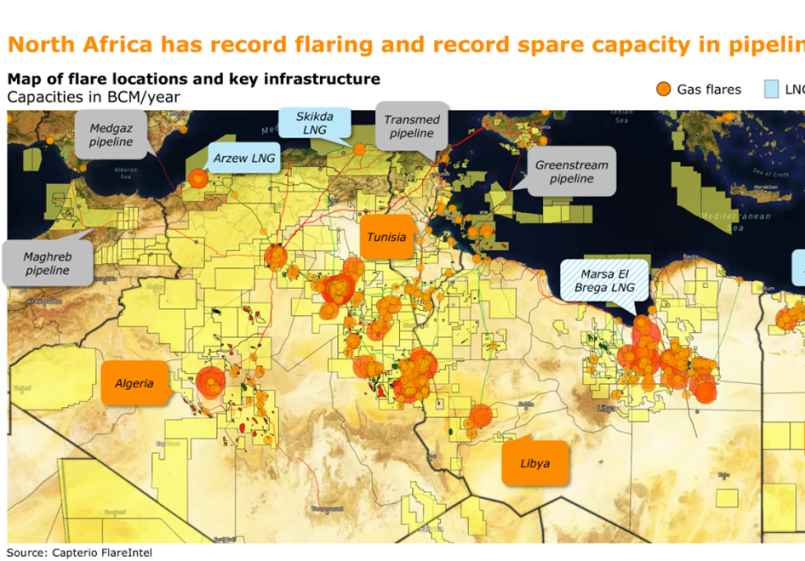
The opportunity for African oil and gas exporters is supported by existing international cooperation. The EU, World Bank, and European Bank for Reconstruction and Development (EBRD) are already involved in capacity building and technology transfers. The EU’s “You Collect, We Buy” scheme, piloted in Algeria, also provides a model for incentivising the capture and sale of gas that would otherwise be vented or flared. International Oil Companies (IOCs) with assets in Africa have also shared expertise with the public sector in this regard.
Getting ahead of incoming regulations
Proactively addressing methane emissions will help African producers get ahead of incoming regulations which threaten to inhibit market access for exporters. The EU Methane Regulation (EUMR), adopted in 2024, will progressively increase measurement, reporting and verification (MRV) implementation at oil and gas facilities, as well as disclosure requirements of importers, before requiring compliance with methane intensity standards from August 2030. With other major buyers like Japan and South Korea, both signatories to the Global Methane Pledge, expected to align with EU standards, the market for high-methane-intensity oil and gas is set to shrink, further isolating non-compliant producers.
While noting the EU’s existing engagement on methane abatement in Africa, much more engagement and support is required for the EUMR to achieve its objectives without alienating producing countries – for many of which, macroeconomic stability relies heavily on oil and gas exports to the EU. If not carefully managed, there is a risk of political pushback. Some U.S. stakeholders have already expressed concerns about the regulation, but many American energy companies also have strong experience with methane measurement and reporting, and could help demonstrate that compliance is not only feasible, but economically viable.

In partnership with the Environmental Defense Fund, Africa Practice is facilitating strategic dialogue between policymakers, financial institutions and industry stakeholders in Africa to harness the opportunity for enhanced market access, increased state revenues, domestic electrification and achieving climate goals posed by incoming regulations relating to methane abatement, based on deep political economy and technical insights.
Our engagements at the Abu Dhabi International Petroleum Exhibition and Conference (ADIPEC) from 3-6 November demonstrated great appetite among investors and policymakers alike to collaborate to accelerate methane action.
Proud to be BCorp. We are part of the global movement for an inclusive, equitable, and regenerative economic system. Learn more